

 English
 Deutsch
Blog · Technical SEO
Why most company sites are invisible, and the three fixes that work
Technical SEO is a short checklist most teams skip. These are the three fixes that make a company site findable.
On this page
- The site tells Google nothing about itself No structured data, no clean titles, no canonical signals. Search engines have to guess what the page is, who runs it and whether it is the original. They guess conservatively, and you stay on page four. Adding correct schema and one honest canonical per page is often the single biggest unlock.
- The important pages are too deep to reach If a crawler needs five clicks to reach a money page, it mostly does not bother. Flattening the structure, adding internal links from strong pages and shipping a real sitemap pulls those pages up. On one platform this alone moved thousands of company pages from undiscovered to ranking.
- It is slow on the phone Most of your visitors are on mobile, on a mediocre connection. A heavy hero, unsized images and render-blocking scripts push your Core Web Vitals into the red, and Google notices. Lazy-loading, sized media and a calm amount of JavaScript fix it without a rebuild.
Most company websites are not bad. They are just invisible. The content is fine, the design is fine, but nobody finds them. After building search-heavy platforms with hundreds of thousands of indexed pages, the pattern is always the same: three technical gaps quietly cap the traffic.
Before copy or design on a redesign, this short checklist comes first. It is not glamorous, but it moves the needle more than any hero animation ever will.
The site tells Google nothing about itself No structured data, no clean titles, no canonical signals. Search engines have to guess what the page is, who runs it and whether it is the original. They guess conservatively, and you stay on page four. Adding correct schema and one honest canonical per page is often the single biggest unlock.
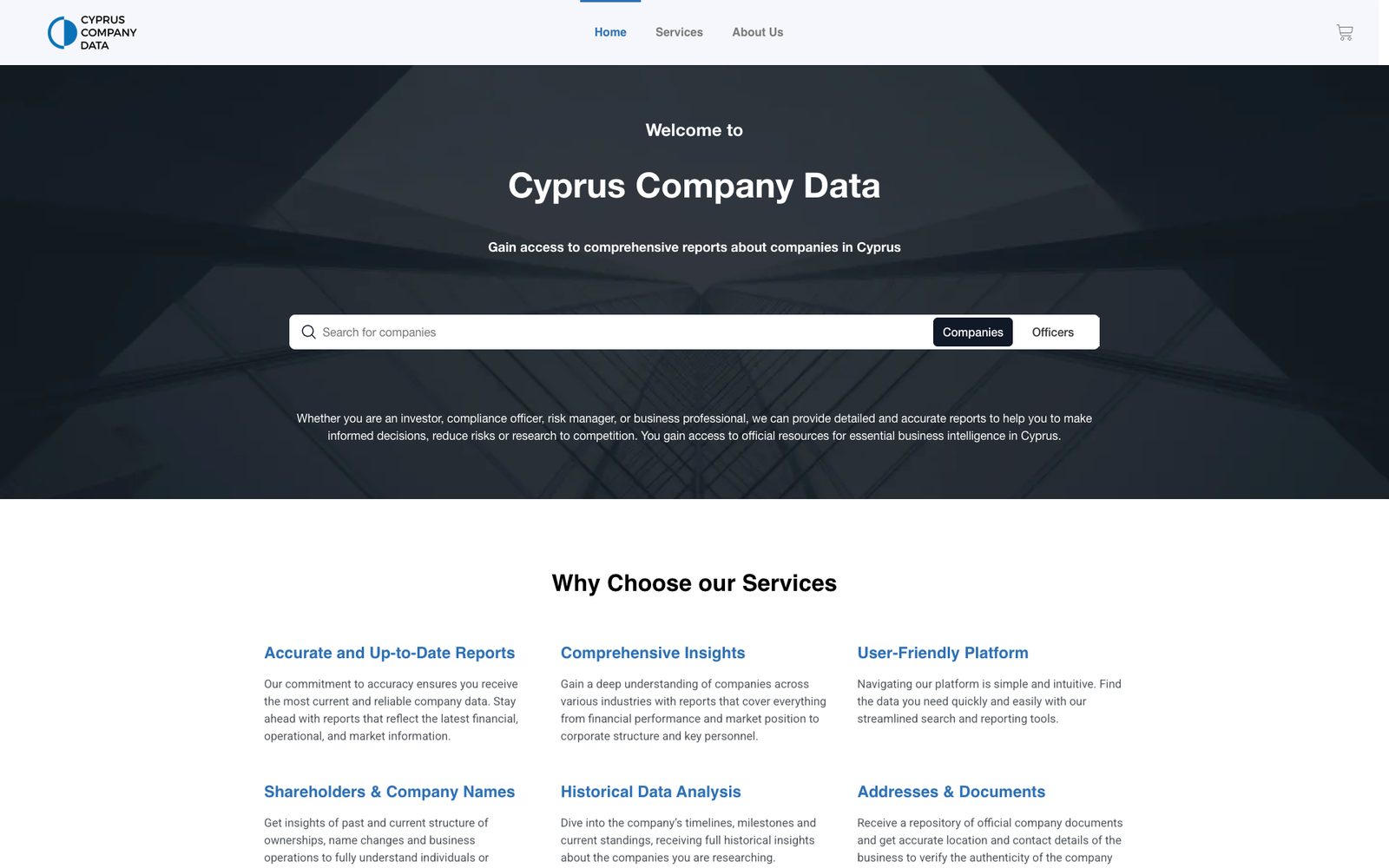
The important pages are too deep to reach If a crawler needs five clicks to reach a money page, it mostly does not bother. Flattening the structure, adding internal links from strong pages and shipping a real sitemap pulls those pages up. On one platform this alone moved thousands of company pages from undiscovered to ranking.
It is slow on the phone Most of your visitors are on mobile, on a mediocre connection. A heavy hero, unsized images and render-blocking scripts push your Core Web Vitals into the red, and Google notices. Lazy-loading, sized media and a calm amount of JavaScript fix it without a rebuild.
- Add structured data and one canonical per page
- Flatten the click-depth to your revenue pages
- Ship a sitemap and ping it when content changes
- Get mobile Core Web Vitals into the green
None of this is a growth hack. It is hygiene. But hygiene is what separates the sites that compound traffic from the ones that quietly disappear.
Not sure where your site stands?
A free first consultation, no slides and no pressure. You leave with the three things to fix first.
Book a free consultation →FAQ
How long until a technical SEO fix shows results?
Indexing and structure fixes often show within a few weeks of the next crawl. Rankings move slower, but the floor rises quickly once Google can read and reach your pages.
Do I need to rebuild my site for this?
Usually not. Structured data, canonicals, internal links and Core Web Vitals can almost always be fixed on the existing site.
Want us to run this on your site?
A free first audit, no slides, just the three things to fix first.
Book a free consultation →